
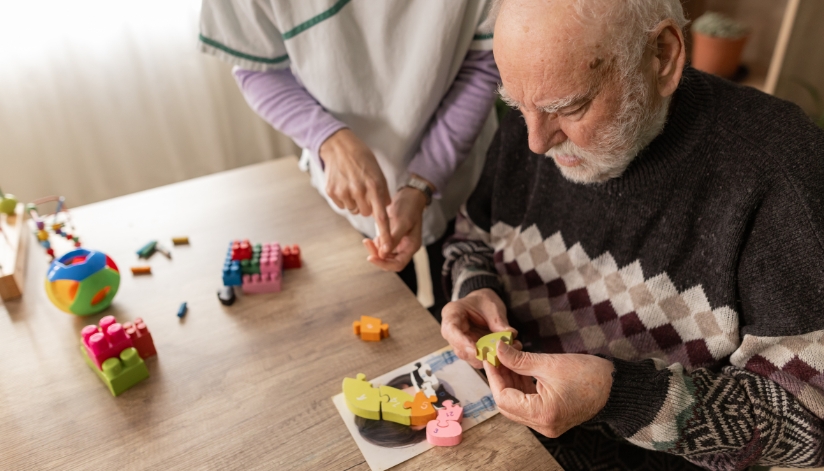
Occupational Therapy And Its Role In Daily Life For Residents
April is Occupational Therapy Month, a time to recognize a profession that plays a key role in helping individuals maintain independence and quality of life. For seniors and their families, understanding what occupational therapy is and how it supports daily living can make a meaningful difference when considering care options.
Occupational therapy, often referred to as OT, is a science-driven, evidence-based healthcare profession that helps people of all ages participate in everyday activities. These activities, known as “occupations,” include the tasks people need and want to do each day.
For older adults, occupational therapy focuses on helping them continue to live as safely and independently as possible, even when facing injury, illness, or disability.
What Occupational Therapy Means For Daily Life
Occupational therapy is centered around the activities that make up a person’s daily routine. These are often simple tasks, but they are essential to maintaining independence and dignity.
Occupational therapy can support:
- Bathing, dressing, and eating
- Moving safely throughout a living space
- Maintaining routines that bring structure to the day
When these tasks become more difficult, occupational therapy provides practical solutions that help individuals continue to participate in daily life.
A Problem-Solving Approach To Care
Occupational therapy is sometimes called “the ultimate problem-solving profession.” This is because occupational therapy practitioners take a creative and individualized approach to care.
Every person’s needs are different. Occupational therapy focuses on identifying challenges and finding realistic ways to overcome them. This may involve adapting how a task is done, introducing new tools, or adjusting the environment to better support safety and independence.
The goal is not just to complete tasks, but to help individuals feel confident and capable in their daily lives.
How Occupational Therapy Supports Independence
One of the main goals of occupational therapy is to help individuals remain as functionally independent as possible. This support can take many forms, depending on the individual’s needs.
Occupational therapy may include:
- Training on how to safely complete daily activities
- Introducing adaptive equipment, such as shower chairs or tools designed to make tasks easier
- Providing guidance to caregivers and family members
- Helping individuals plan and maintain daily routines
These supports are designed to reduce frustration, improve safety, and promote confidence in everyday tasks.
Improving Safety And Preventing Falls
Safety is a major focus of occupational therapy, especially for older adults. Falls can lead to serious injuries and impact a person’s ability to remain independent.
Occupational therapy helps reduce this risk by:
- Identifying potential hazards in daily routines
- Recommending changes to improve safety and accessibility
- Teaching techniques to move safely and with confidence
By addressing these risks early, occupational therapy helps create a safer and more supportive environment.
Supporting Memory And Cognitive Skills
Occupational therapy also addresses cognitive challenges that can affect daily life. This includes support for memory, concentration, and executive functioning skills such as planning and prioritizing.
Therapists may use techniques to help individuals:
- Stay organized
- Follow daily routines more easily
- Complete tasks that require multiple steps
This type of support can be especially important for individuals experiencing changes in memory or thinking.
Helping Individuals Stay Engaged In Life
Beyond daily tasks, occupational therapy helps individuals continue participating in the activities that give their life meaning. This may include returning to work, engaging in hobbies, or staying involved in social activities.
Maintaining these connections supports emotional well-being and helps individuals feel more like themselves, even as their needs change.
Therapy Services At The Neighbors Of Dunn County
Occupational therapy is one part of a broader therapy program available at The Neighbors of Dunn County. Residents have access to inpatient and outpatient physical therapy, occupational therapy, and speech therapy services, whether they are living on campus or receiving care within the community.
The Neighbors works closely with Powerback Rehab, a national leader in long-term care rehabilitation, to provide therapy programs designed to support recovery and daily function. Therapy services are often used following major health events such as joint replacement, cardiac arrest, or stroke, helping residents regain strength and independence.
Therapy is offered 6 to 7 days a week throughout the day, allowing flexibility to meet each resident’s schedule and needs. Programs are designed to help individuals progress efficiently, with many completed in approximately eight to ten weeks. After completing therapy, residents may receive continued exercise or restorative programs to support ongoing progress.
These services are focused on helping residents reach their highest level of independence while supporting both short-term recovery and long-term well-being.
Recognizing The Impact Of Occupational Therapy
Occupational therapy plays an important role in helping individuals live safely, independently, and with confidence. By focusing on practical solutions and personalized care, occupational therapy supports both physical and cognitive well-being.
During Occupational Therapy Month, The Neighbors of Dunn County recognizes the value of this profession and the difference it makes in the lives of residents and their families. Understanding how occupational therapy works can help families feel more informed and confident when exploring care options for a loved one.
Contact The Neighbors Of Dunn County
For over a century, our legacy has been one of “Generations of Caring since 1892.” If you would like to learn more about our resident-centered neighborhood of homes, skilled nursing, rehabilitation, memory care, or hospice services, please contact The Neighbors of Dunn County. Our team would be honored to answer your questions and help you find the right support for your loved one.