Tips for Seniors to Stay Fit and Healthy During the Fall
Fall brings cooler temperatures, colorful leaves, earlier sunsets, and plenty of reasons to settle into a slower routine. For older adults, though, the change of seasons is a good time to pay extra attention to movement, nutrition, balance, social activity, and other habits that support long-term health.
Staying fit during the fall does not require a demanding exercise program or hours at the gym. Walking, stretching, strength exercises, balance work, household activities, and active hobbies all provide valuable movement. The National Institute on Aging recommends a combination of aerobic activity, muscle-strengthening exercise, and balance activities for older adults. Regular movement supports physical function and helps older adults maintain the abilities they use throughout everyday life.
The season also creates a few challenges. Shorter days reduce opportunities for outdoor activity, falling leaves make sidewalks slippery, cooler temperatures affect what people wear outside, and holiday schedules sometimes interrupt healthy routines. A little planning helps older adults continue moving, eating well, connecting with others, and enjoying everything fall has to offer.
At The Neighbors of Dunn County, physical health is closely connected with independence, social engagement, nutrition, and quality of life. Those same principles provide a useful guide for older adults living at home and for families looking for ways to support an aging loved one this fall.
Keep Moving as the Weather Changes
Warm summer days make outdoor activity feel easy. Fall requires a little more flexibility. Cooler mornings, rain, wind, and earlier sunsets might change when or where someone exercises, but they do not need to bring regular movement to an end.
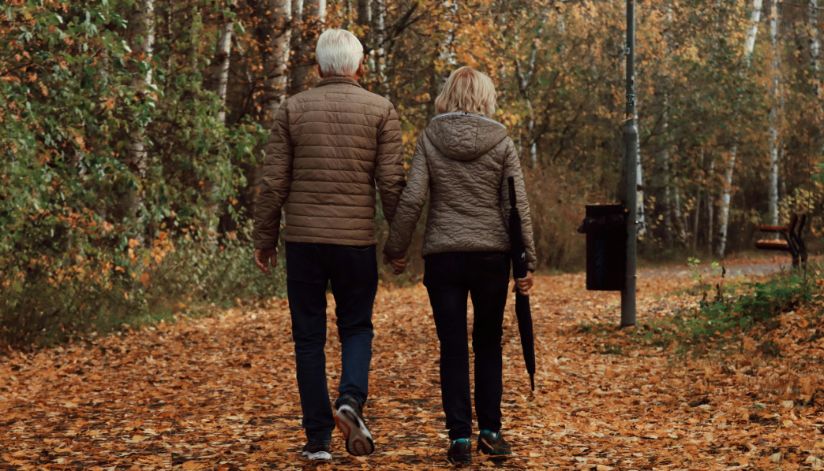
Walking remains one of the simplest forms of physical activity for many older adults. A walk around the neighborhood, through a local park, around a shopping center, or through an indoor community space keeps the body moving without requiring special equipment. Someone who already walks regularly might continue the same routine while moving the walk to the warmer part of the day or choosing an indoor option when weather conditions are poor.
Older adults who have not been active recently should start at a comfortable level and gradually increase the amount of activity. The National Institute on Aging recommends building activity over time instead of doing too much too quickly, especially after an illness, injury, or long break from exercise.
At The Neighbors, residents have opportunities to participate in independent and group activities based on their interests and abilities. The current schedule includes a variety of programs designed to keep residents involved throughout the day. Families interested in seeing what is happening on campus should visit the Activities and Events Page.
Take Advantage of Comfortable Fall Weather
Summer heat creates concerns for older adults exercising outdoors, while winter in Wisconsin often limits outdoor activity for long stretches. Fall offers a useful middle ground. Mild afternoons provide opportunities to get outside before colder weather arrives.
A fall walk does more than provide exercise. It gives older adults a reason to leave the house, enjoy changing leaves, spend time with friends or family, and break up the daily routine. Outdoor activities also do not need to involve long distances. Walking to the mailbox, taking a short stroll around the block, visiting a park, or spending time doing light yard work all add movement to the day.
The Neighbors has previously shared festive fall activities for seniors, including simple ways to enjoy fresh air and seasonal scenery at different mobility levels.
Older adults should dress for the conditions and choose footwear with good support and traction. Layers work well during fall because temperatures often change considerably between morning and afternoon. A light jacket, hat, and comfortable shoes help make an outdoor walk more enjoyable without adding unnecessary bulk.
Make Strength Part of the Routine
Walking gets plenty of attention, but muscle strength also plays an important role in healthy aging. Strong legs help with standing up from a chair, climbing stairs, and walking. Upper-body and core strength support many other daily tasks, from carrying groceries to using a walker safely.
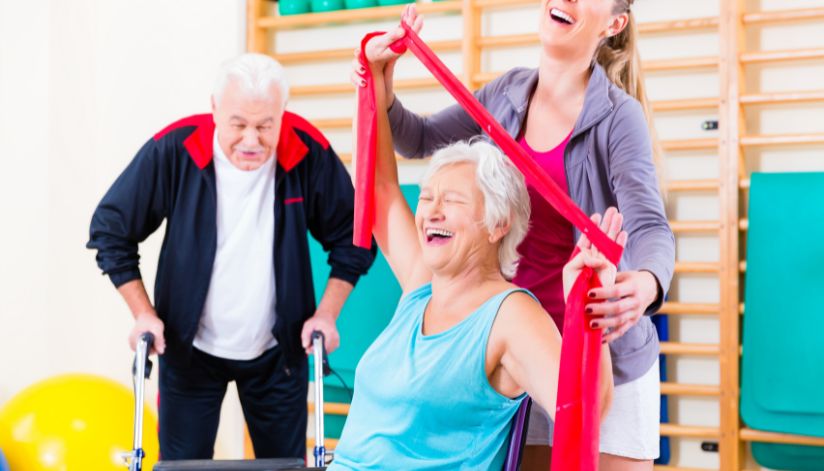
Strength work does not need to involve heavy weights. Depending on a person’s abilities, exercises might include standing up and sitting down from a sturdy chair, using resistance bands, lifting light hand weights, or performing movements recommended by a physical therapist. Even everyday tasks such as carrying groceries or completing household chores involve muscles and contribute to an active lifestyle.
Federal physical activity guidance recommends muscle-strengthening activity at least two days each week for older adults, along with aerobic and balance activities. The right starting point depends on health, mobility, and current fitness level, so older adults returning to exercise after an injury or dealing with significant mobility concerns should follow guidance from their healthcare team.
The Neighbors offers physical, occupational, and speech therapy services for residents and members of the surrounding community. Therapy programs focus on helping people improve function, work toward greater independence, and continue progressing after injury, surgery, or other health events.
Give Balance Exercises Regular Attention
Good balance becomes increasingly important with age, especially during fall when wet leaves, early frost, uneven sidewalks, and lower light levels create extra hazards outdoors.
More than one in four adults age 65 and older falls each year, according to the National Institute on Aging. Strength and balance exercises form an important part of fall prevention, along with vision and hearing checks, medication reviews, appropriate footwear, and a safer home environment.
Balance exercises often look simple, but they serve an important purpose. Depending on someone’s abilities, a routine might include practicing standing from a seated position, heel-to-toe walking, carefully shifting weight from one foot to the other, or other exercises recommended by a physical therapist. A sturdy chair, counter, railing, or another stable surface should remain nearby when support is needed.
Fall also provides a good reason to look around the home for hazards. Make sure entryways stay clear of wet leaves. Improve lighting near doors, hallways, and stairs as daylight hours decrease. Remove loose rugs or clutter from walking paths, and check whether frequently used shoes still provide good traction.
Older adults who use a cane or walker should continue using the device as recommended. A mobility aid supports independence when used properly. Leaving a walker behind because a trip seems short creates unnecessary risk.
Have an Indoor Plan Before You Need One
Fall weather changes quickly in Wisconsin, which makes an indoor backup plan useful. Waiting until the first cold, rainy week to figure out how to stay active often leads to an extended break in a healthy routine.
Think about indoor options now. Walking laps through a home, apartment building, shopping center, or community center provides movement without exposure to poor weather. Chair exercises, stretching, resistance bands, light weights, dancing, and guided exercise programs also work well indoors. Someone who enjoys company might prefer a group exercise class or regular walking partner.
The Neighbors’ existing guidance on staying healthy during fall and winter includes indoor ideas such as chair yoga, stretching, music-based movement, and hallway walks. Those activities help residents continue moving when outdoor conditions become less inviting.
Having several options also keeps exercise from becoming repetitive. Variety gives different muscle groups attention and makes an active routine easier to maintain throughout the colder months.
Stay Active Throughout the Day
Exercise does not need to happen in one long session to matter. Movement spread throughout the day still contributes to an active lifestyle.
An older adult might walk for ten minutes in the morning, do some light household work after lunch, and stretch later in the afternoon. Gardening, cleaning, dancing, carrying groceries, walking while running errands, and playing with grandchildren all involve physical activity. The National Institute on Aging notes that small amounts of movement throughout the day count toward weekly activity goals.
This approach works especially well for someone who tires more easily or finds a traditional workout intimidating. Rather than thinking about exercise as a separate obligation, look for places where movement already fits naturally into the day.
Breaking up long periods of sitting is another useful goal. During an afternoon of reading or watching television, stand up periodically, walk around the room, refill a glass of water, or complete a few comfortable movements. Small habits become more meaningful when repeated consistently.
Eat Well as Seasonal Routines Change
Staying healthy during fall involves more than physical activity. Nutrition gives the body energy for movement and supports muscle, bone, and overall health.
Fall offers plenty of nutritious seasonal foods, including apples, squash, sweet potatoes, carrots, pumpkin, cabbage, and other produce. Protein also deserves attention because older adults need enough to support muscle and physical function. Eggs, fish, poultry, dairy foods, beans, and other protein sources fit into many meals.
Families should pay attention to changes in appetite. Some older adults eat less than they once did, which makes nutrient-rich meals especially important. A large plate might feel overwhelming, while smaller meals and snacks throughout the day feel more manageable.
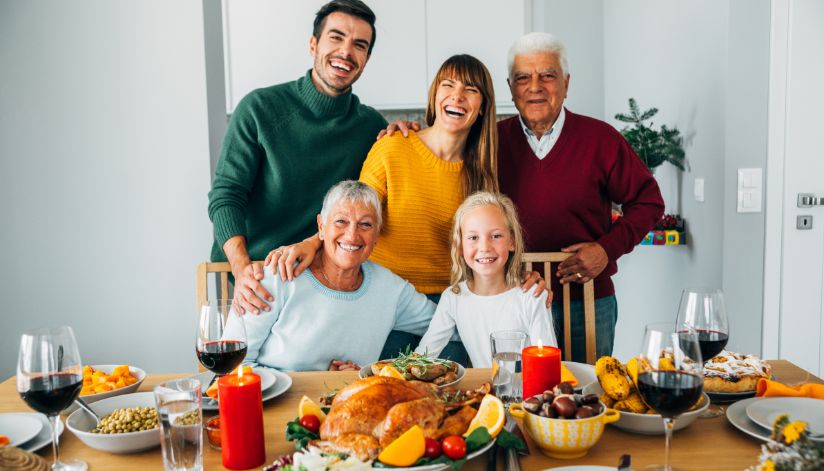
At The Neighbors, each resident has individual nutrition and hydration needs. Home-style meals, meal choices, flexible dining times, personal kitchens, and support from a full-time Registered Dietitian help residents receive nutrition suited to their needs and preferences. Learn more about dining and dietary options at The Neighbors.
Keep Drinking Water When the Weather Gets Cooler
People naturally think more about hydration during summer, but fluid intake remains important during fall and winter. Cooler weather does not eliminate the body’s need for fluids.
Keep water nearby throughout the day rather than waiting until strong thirst develops. Water, milk, soups, and other appropriate beverages and foods all contribute to fluid intake. Individual needs vary, especially for people with heart disease, kidney disease, or other conditions involving fluid restrictions, so healthcare guidance should take priority when restrictions apply.
Building hydration into an existing routine often makes the habit easier. Have water with meals, keep a glass or bottle within reach during activities, and offer drinks after walks or exercise sessions.
Families visiting older relatives should also look for practical barriers. A container that is difficult to lift, a lid that is hard to remove, or concerns about frequent trips to the bathroom sometimes reduce how much someone drinks. Addressing the barrier often works better than repeatedly reminding someone to drink more.
Use Fall as a Time to Review Health Needs
Fall often signals the beginning of cold and flu season, making the season a useful time to review routine health needs with a healthcare provider. Older adults should discuss recommended vaccinations and preventive care with their physician or care team based on their age, medical history, and individual circumstances.
Fall also gives families an opportunity to notice changes that have developed over the year. Has walking become slower or less steady? Does your loved one seem more tired after normal activities? Are stairs becoming more difficult? Have they stopped participating in activities they used to enjoy because movement feels harder?
Changes in mobility are worth discussing rather than automatically attributing them to normal aging. Physical therapy, changes to an exercise routine, medication review, vision care, or another health intervention might address part of the problem.
The Neighbors’ therapy team works with residents and community members on mobility, strength, rehabilitation, and long-term physical function. Therapy at The Neighbors is available throughout the week and includes programs designed around each person’s needs and goals.
Pay Attention to Changes in Daylight
Shorter fall days affect more than the amount of time available for an evening walk. Less daylight also means older adults need to think more carefully about visibility and home lighting.
Try to schedule outdoor walks during daylight whenever possible. If an older adult goes outside near dusk, choose well-lit routes and clothing that makes the person easier for drivers and cyclists to see. Around the home, replace burned-out bulbs, add night lights where needed, and make sure stairs and entryways have sufficient lighting.
Earlier sunsets sometimes change mood and routine as well. Someone who spends a great deal of time outside during summer might find themselves indoors and alone more often during fall. Building regular activities into the week helps replace some of the social contact and stimulation associated with warmer-weather routines.
Physical and social health often support each other. A walk with a friend provides exercise and conversation. A group class adds movement and a reason to leave the house. An outing with family creates both activity and connection.
Stay Social as Outdoor Activities Slow Down
Fitness is only one part of healthy aging. Social connection also plays an important role in well-being, and fall is a good time to establish routines before winter weather makes getting out more difficult.
Schedule regular meals with friends or family, attend community events, join a group activity, participate in a faith community, volunteer, or set aside time for phone and video calls. The National Institute on Aging encourages older adults and families to build regular social connections and points to activities such as walking groups as a way to combine companionship with physical activity.
At The Neighbors, activities provide residents with opportunities to stay engaged with others while participating according to their own interests and comfort level. Movement-based activities represent one part of a broader schedule designed to support social interaction, enjoyment, and daily engagement.
Families also play an important role. Invite an older loved one on a walk, help with transportation to an activity, visit for a meal, or choose an outing suited to their mobility level. Supporting health sometimes starts with giving someone a reason to get moving and something enjoyable to look forward to.
Choose Activities You Actually Enjoy
A healthy routine works better when the activity feels enjoyable rather than like an assignment. Someone who dislikes formal exercise does not need to become a gym enthusiast to stay active.
Walking with a friend, dancing to favorite music, working in the yard, doing gentle exercises while watching television, visiting a museum, shopping, or participating in a group activity all create opportunities for movement. The National Institute on Aging recommends choosing activities people enjoy and adding social support when possible, since both help make regular physical activity easier to maintain.
Think about interests first and exercise second. Someone who loves fall colors might enjoy short nature walks. A person who enjoys shopping might get extra steps walking through stores. Someone who prefers staying home might enjoy chair exercises or light strength work while listening to music.
The best activity is one suited to the person’s health and abilities that becomes a regular part of life.
Focus on Consistency, Not Perfection
Healthy aging does not depend on completing a perfect workout schedule every week. Fall brings appointments, holidays, family visits, weather changes, and days when energy is lower than usual. Missing a walk or changing plans does not erase previous progress.
Consistency over time matters more. If weather interrupts an outdoor walk, do something indoors. If a busy day leaves little time for exercise, fit in a few shorter periods of movement. If illness or another health event causes a longer break, return gradually when appropriate rather than trying to resume everything at once.
For older adults, the purpose of staying active is practical. Strength makes daily tasks easier. Balance supports safer movement. Endurance helps people participate in activities for longer periods. Regular movement also supports independence and gives older adults more opportunities to stay involved in the people, places, and activities they value.
Fall is a natural time to look at daily routines and decide what should continue as the seasons change. Keep walking while the weather allows. Build an indoor backup plan. Include strength and balance work. Eat nourishing meals, stay hydrated, pay attention to fall hazards, and keep social activities on the calendar.
At The Neighbors of Dunn County, healthy living looks different for every resident because abilities, preferences, and goals differ from one person to the next. What remains consistent is the importance of helping people stay active, engaged, and as independent as possible throughout every season.
Contact The Neighbors Of Dunn County
For over a century, our legacy has been one of “Generations of Caring since 1892.” If you would like to learn more about our resident-centered neighborhood of homes, skilled nursing, rehabilitation, memory care, or hospice services, please contact The Neighbors of Dunn County. Our team would be honored to answer your questions and help you find the right support for your loved one.