Recovering After A Hospital Stay: When Short-Term Rehabilitation May Help
Returning home after a hospital stay is often something everyone looks forward to. However, many families find themselves asking an important question before discharge: Is home the best place for recovery right now?
After surgery, an illness, an injury, or another hospitalization, some individuals may benefit from additional care before returning home. Short-term rehabilitation provides a supportive environment where patients can continue building strength, improving mobility, and regaining confidence while working toward a safe return to their daily routines.
Understanding how short-term rehabilitation works can help families make informed decisions and feel more prepared for the next step in the recovery journey.
What Is Short-Term Rehabilitation?
Short-term rehabilitation is designed for individuals who no longer require acute hospital care but are not yet ready to safely recover at home. It focuses on helping patients regain independence after a medical event through personalized therapy, skilled nursing care, and ongoing support.
People may benefit from short-term rehabilitation following:
- Joint replacement surgery
- Stroke
- Fractures or other orthopedic injuries
- Cardiac events
- Serious illness
- Hospitalization related to infection or other medical conditions
The goal is to help patients recover as much function and independence as possible while preparing them for a safe transition home or to their next level of care.
Why Some Patients Benefit From Short-Term Rehabilitation Before Returning Home
Hospital stays today are often shorter than they were in the past. While patients may be medically stable enough to leave the hospital, they may still need additional time to rebuild strength and safely perform everyday activities.
Some individuals may experience:
- Weakness after spending several days in bed
- Difficulty walking safely
- Challenges climbing stairs
- Reduced balance
- Fatigue
- Difficulty completing everyday tasks independently
For these individuals, short-term rehabilitation provides an opportunity to continue recovering with professional support before returning home.
What To Expect During Short-Term Rehabilitation
Every person’s recovery is unique, so rehabilitation plans are individualized based on medical needs, personal goals, and physician recommendations.
A rehabilitation stay may include several components working together to support recovery.
Skilled Nursing Care
Registered nurses and licensed healthcare professionals help monitor recovery, manage medications, assess changes in condition, and provide ongoing medical support throughout the rehabilitation stay.
This skilled care helps ensure patients continue healing while addressing any concerns that may arise during recovery.
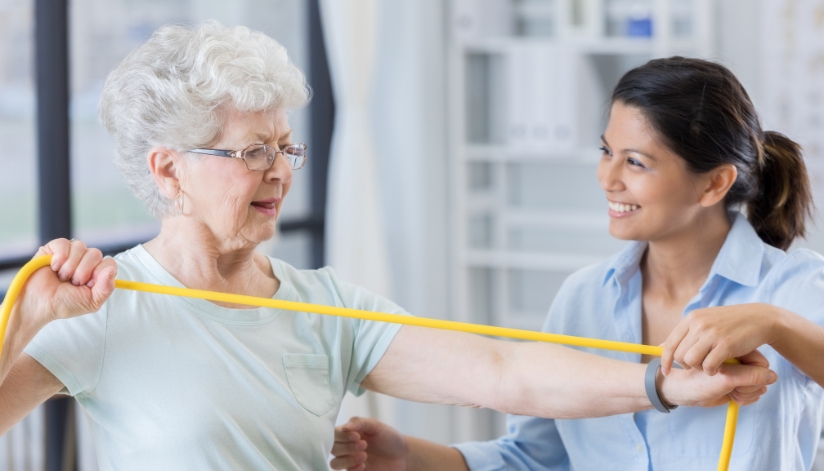
Physical Therapy
Physical therapy focuses on improving strength, balance, flexibility, endurance, and mobility.
Depending on the patient’s needs, therapy may include exercises designed to help with:
- Walking safely
- Standing from a chair
- Climbing stairs
- Improving balance
- Increasing strength
- Reducing fall risk
These improvements can help individuals feel more confident as they prepare to return home.
Occupational Therapy
Occupational therapy helps patients regain the skills needed for everyday living.
Therapists may work with patients on activities such as:
- Getting dressed
- Bathing
- Preparing meals
- Using adaptive equipment
- Improving hand strength
- Conserving energy during daily activities
The goal is to help patients safely perform the tasks that support independent living.
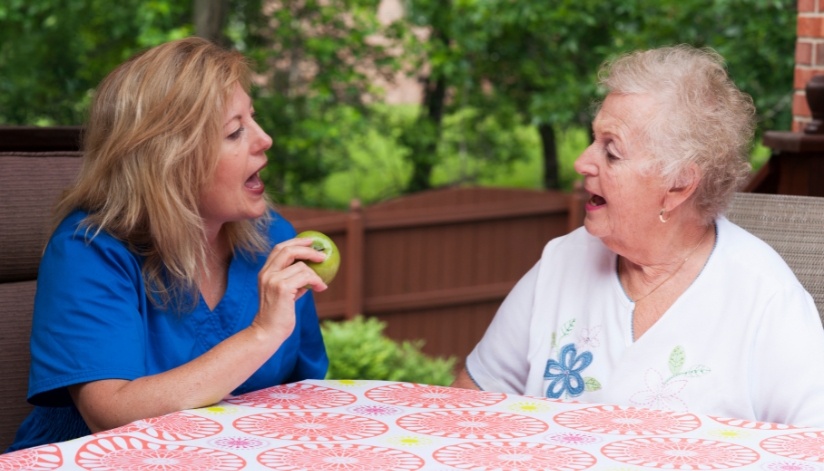
Speech Therapy
Some patients may also benefit from speech-language therapy following a stroke, neurological condition, or certain illnesses.
Speech-language pathologists may assist with:
- Communication
- Memory and cognitive skills
- Swallowing difficulties
- Problem-solving abilities
Not every rehabilitation patient requires speech therapy, but it can be an important part of recovery for those who do.
How Families Can Support The Recovery Process
Family involvement often plays an important role throughout rehabilitation.
Simple ways to support a loved one include:
- Visiting regularly
- Offering encouragement during therapy
- Celebrating progress, even small milestones
- Asking questions about the care plan
- Helping prepare the home for a safe return
Recovery rarely happens overnight. Encouragement and patience from loved ones can help individuals stay motivated as they work toward their goals.
Preparing For A Safe Return Home After Short-Term Rehabilitation
One of the primary goals of short-term rehabilitation is helping patients safely transition home whenever possible.
Before discharge, the care team may help evaluate factors such as:
- Mobility and walking safety
- Ability to complete daily activities
- Medication management
- Need for assistive devices
- Follow-up therapy recommendations
- Home safety considerations
Planning ahead helps reduce stress and allows families to feel more confident about the transition home.
Rehabilitation At The Neighbors Of Dunn County
At The Neighbors of Dunn County, rehabilitation services are provided in a resident-centered environment where each individual’s recovery goals guide their care plan.
Patients recovering from surgery, illness, injury, or hospitalization receive support from an interdisciplinary team that works together to promote healing, encourage independence, and help individuals progress toward returning home whenever appropriate. Therapy plans are individualized to each patient’s needs while skilled nursing care provides additional support throughout the recovery process.
The Neighbors also offers welcoming community spaces and engaging activities that help create a comfortable environment during recovery, allowing patients to focus on rebuilding strength while remaining connected with others.
Conclusion
Recovering after a hospital stay often takes more time than the hospital itself. Short-term rehabilitation provides additional therapy, skilled nursing care, and individualized support that can help patients continue building strength, regain independence, and prepare for a safe return home. Understanding what rehabilitation involves can help families feel more confident when making important care decisions following hospitalization.
Contact The Neighbors Of Dunn County
For over a century, our legacy has been one of “Generations of Caring since 1892.” If you would like to learn more about our resident-centered neighborhood of homes, skilled nursing, rehabilitation, memory care, or hospice services, please contact The Neighbors of Dunn County. Our team would be honored to answer your questions and help you find the right support for your loved one.