Staying Hydrated: Why Water Matters More As We Age
As temperatures rise during the summer months, many families encourage their loved ones to spend time outdoors, attend community events, or simply enjoy a visit together. While these moments are important, there is one simple health habit that can easily be overlooked: staying hydrated.
Following good senior hydration tips becomes increasingly important as we age. Older adults naturally experience changes that can make it more difficult to recognize thirst or maintain proper fluid levels. Combined with warmer weather, rehabilitation after an illness or surgery, or certain health conditions, dehydration can become a greater concern.
The good news is that staying hydrated does not have to be complicated. Small daily habits can make a meaningful difference in supporting overall health, comfort, and well-being.
Why Hydration Becomes More Important With Age
Water plays a role in nearly every function of the body. It helps regulate body temperature, supports digestion, cushions joints, transports nutrients, and keeps organs functioning properly.
As people grow older, several natural changes make dehydration more likely:
- The sensation of thirst becomes less noticeable.
- The body contains less water than it did in younger years.
- Some medications may increase fluid loss.
- Certain health conditions may affect hydration needs.
- Mobility challenges may make getting a drink less convenient.
These changes mean an older adult may already be mildly dehydrated before they even begin to feel thirsty.
Common Signs Of Dehydration In Older Adults
Recognizing dehydration early can help prevent more serious health concerns. Symptoms are not always obvious and may develop gradually.
Some common signs include:
- Dry mouth or dry lips
- Dark yellow urine
- Feeling tired or weak
- Headaches
- Dizziness when standing
- Confusion or difficulty concentrating
- Muscle cramps
- Reduced urination
Older adults recovering from surgery, illness, or rehabilitation may also become dehydrated more quickly because their bodies are working harder to heal.
If dehydration appears severe or is accompanied by significant confusion, fainting, or an inability to keep fluids down, it is important to seek medical attention promptly.
Practical Senior Hydration Tips For Everyday Life
Fortunately, staying hydrated can become part of a comfortable daily routine.
Some helpful senior hydration tips include:
Keep Water Within Easy Reach
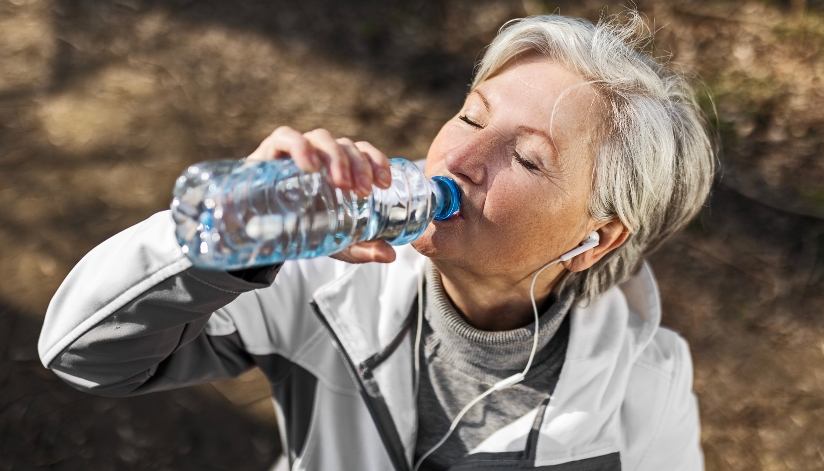
Having a water bottle or favorite cup nearby makes drinking throughout the day much easier. For individuals with limited mobility, keeping beverages close can remove one more barrier to staying hydrated.
Sip Throughout The Day
Rather than trying to drink several glasses all at once, encourage small amounts consistently throughout the day. Regular sipping is often easier and more comfortable.
Eat Foods With High Water Content
Many fruits and vegetables naturally contain a significant amount of water, including:
- Watermelon
- Strawberries
- Cantaloupe
- Cucumbers
- Tomatoes
- Celery
- Oranges
Soups, broths, yogurt, and smoothies may also contribute to daily fluid intake.
Add Variety
Not everyone enjoys drinking plain water all day. Flavoring water with lemon, lime, cucumber, or berries can make it more appealing. Milk, herbal tea, and other non-caffeinated beverages may also help meet daily fluid needs.
Create Daily Habits
Drinking a glass of water with meals, after taking medications (when appropriate), or before activities can help establish consistent routines.
Helping Loved Ones Stay Hydrated During Visits
Family visits provide wonderful opportunities to encourage healthy habits without making hydration feel like a chore.
Simple ideas include:
- Bring along a favorite reusable water bottle.
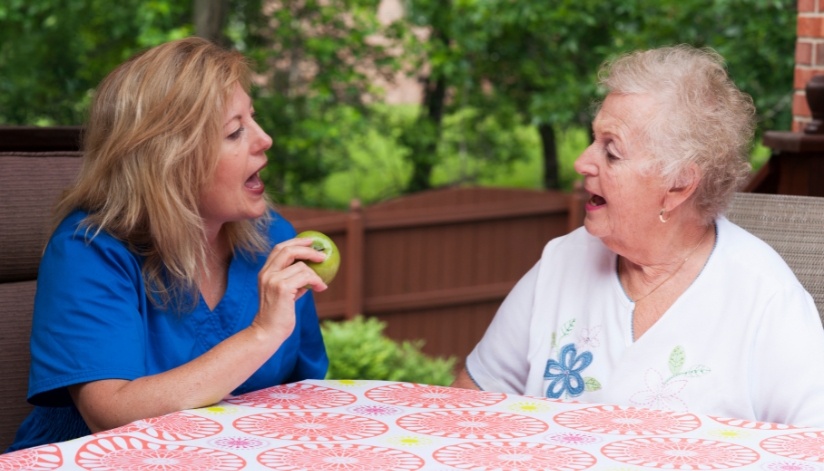
- Share fresh fruit during your visit.
- Offer water before heading outside.
- Choose hydrating snacks like melon, grapes, or oranges.
- Gently remind your loved one to take a few sips throughout your conversation.
Sometimes older adults drink more simply because someone is sitting with them and enjoying a beverage together.
At The Neighbors of Dunn County, meaningful social activities are an important part of daily life. Whether residents are participating in games, enjoying live music, gathering with friends, or taking part in seasonal events highlighted throughout the community’s newsletters, staying hydrated helps everyone continue enjoying these activities comfortably throughout the warmer months.
Hydration During Rehabilitation And Recovery
Proper hydration can be especially important during rehabilitation.
Individuals recovering from surgery, illness, or injury often participate in physical, occupational, or speech therapy while their bodies heal.
Adequate hydration supports normal body functions, helps regulate temperature during activity, and contributes to overall wellness throughout the recovery process. The National Institutes of Health also recognizes hydration as an important component of healthy aging.
Care teams may monitor fluid intake as part of an individualized care plan while encouraging healthy hydration habits that fit each resident’s needs and preferences.
Supporting Healthy Aging Every Day
Healthy aging is often built on simple daily habits practiced consistently over time. Along with balanced nutrition, regular physical activity, meaningful social engagement, and quality sleep, drinking enough fluids is one of the easiest ways to support overall wellness.
Families play an important role by helping loved ones establish routines, offering encouragement, and making hydration a natural part of everyday life.
A glass of water may seem like a small thing, but over time, those small choices can help older adults feel more comfortable, energized, and ready to participate in the activities they enjoy.
Conclusion
Staying hydrated becomes increasingly important with age, especially during the summer months. By recognizing the signs of dehydration and following practical senior hydration tips, older adults and their families can help support overall health, comfort, and well-being. Simple habits such as drinking fluids regularly, enjoying water-rich foods, and encouraging hydration during visits can make a meaningful difference throughout the season.
Contact The Neighbors Of Dunn County
For over a century, our legacy has been one of “Generations of Caring since 1892.” If you would like to learn more about our resident-centered neighborhood of homes, skilled nursing, rehabilitation, memory care, or hospice services, please contact The Neighbors of Dunn County. Our team would be honored to answer your questions and help you find the right support for your loved one.