Recognizing Malnutrition Awareness Week: Signs Older Adults May Need Nutritional Support
Have you noticed that an aging loved one is eating less than they used to? Maybe they’ve lost interest in their favorite meals, their clothes seem to fit differently, or they simply say they’re “not that hungry” anymore.
Changes in eating habits are common as people age, but they should not be ignored. During Malnutrition Awareness Week, observed September 14 through 18, seniors and families have an opportunity to learn why good nutrition plays such an important role in healthy aging and recovery.
Proper nutrition helps older adults maintain strength, support healing, stay active, and enjoy a better quality of life. Understanding the early signs of poor nutrition can help families start conversations with healthcare providers and ensure loved ones receive the support they need.
What Is Malnutrition?
Malnutrition occurs when the body does not receive the nutrients it needs to function properly. For older adults, this can happen for many reasons, even when food is available.
Factors such as decreased appetite, changes in taste or smell, difficulty chewing or swallowing, certain medications, chronic health conditions, and limited mobility can all affect nutritional intake.
Many older adults also experience changes in metabolism and muscle mass as they age, making balanced nutrition especially important for maintaining strength and independence.
Why Nutrition Matters As We Age
Eating well supports nearly every aspect of health.
For older adults, proper nutrition can help:
- Maintain muscle strength and mobility
- Support the body’s natural healing process after illness, surgery, or injury
- Help maintain energy throughout the day
- Support immune system function
- Promote healthy skin and tissue repair
- Support overall well-being and quality of life
For individuals recovering in rehabilitation, meeting nutritional needs is an important part of the recovery process. The body relies on adequate calories, protein, vitamins, minerals, and fluids to support healing and regain strength.
Healthy eating becomes increasingly important with age because nutritional needs change while appetite often decreases.
Common Signs An Older Adult May Need Nutritional Support
During Malnutrition Awareness Week for seniors, families are encouraged to pay attention to changes that may indicate a loved one could benefit from additional nutritional evaluation.
Some common signs include:
Unplanned Weight Loss
Gradual or sudden weight loss without trying may indicate that someone is not eating enough or is not getting the nutrients their body needs.
Eating Smaller Meals
Skipping meals, leaving food unfinished, or saying they are rarely hungry may reduce overall nutrient intake over time.
Difficulty Chewing Or Swallowing
Dental concerns, ill-fitting dentures, or swallowing difficulties can make eating uncomfortable and may lead someone to avoid certain foods.
Feeling Weak Or Tired More Often
Poor nutrition may contribute to reduced energy levels and make everyday activities more challenging.
Clothing Or Jewelry Fits Differently
Family members sometimes notice changes in how clothing, rings, or watches fit before they recognize weight loss.
Slow Recovery After Illness
Nutrition plays an important role in healing. Individuals who are not meeting their nutritional needs may require additional support during recovery from illness or surgery.
These signs do not necessarily mean someone is experiencing malnutrition, but they are worth discussing with a healthcare provider.
Practical Ways Families Can Support Healthy Nutrition
There are many simple ways caregivers can encourage healthy eating without making mealtimes stressful.
Make Meals Social
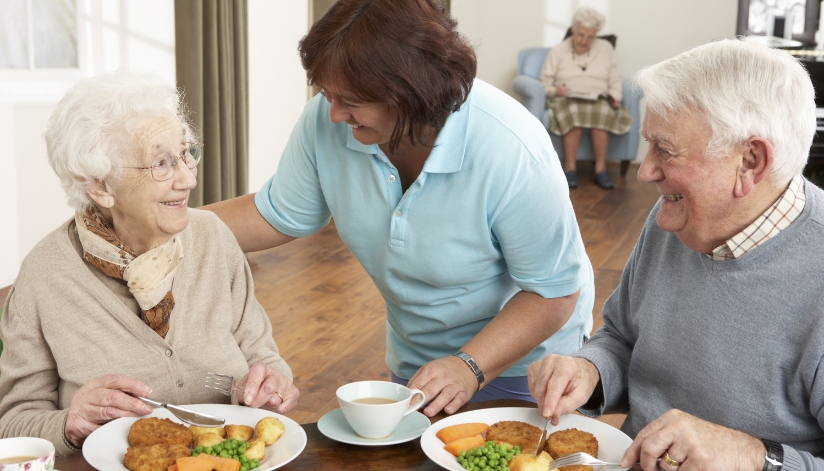
Eating together often makes meals more enjoyable. Sharing breakfast, lunch, or dinner with family members may encourage older adults to eat more consistently.
Offer Smaller, More Frequent Meals
Some individuals find it easier to eat several smaller meals or nutritious snacks throughout the day rather than three large meals.
Include Foods Rich In Protein
Protein helps maintain muscle and supports healing. Foods such as eggs, yogurt, lean meats, beans, fish, cottage cheese, and peanut butter can be nutritious options, depending on an individual’s dietary needs.
Encourage Hydration
Drinking enough fluids is also an important part of good nutrition. Water, milk, soups, and other beverages can help support overall health.
Ask About Changes In Appetite
Rather than assuming someone simply is not hungry, ask gentle questions about whether food tastes different, chewing has become difficult, or medications may be affecting appetite.
If concerns continue, encourage your loved one to speak with their healthcare provider or a registered dietitian.
Nutritional Support During Rehabilitation And Skilled Nursing
Nutrition is an important part of recovery after surgery, illness, or injury.
At The Neighbors of Dunn County, nutritional care is part of the overall resident-centered approach to skilled nursing and rehabilitation. Dietary professionals work alongside nurses, therapists, and other members of the care team to help residents receive meals that meet their individual nutritional needs and personal preferences whenever possible.
For individuals participating in physical, occupational, or speech therapy, proper nutrition provides the energy and nutrients needed to support rehabilitation and overall well-being.
By combining nutritious meals with personalized care, rehabilitation services, and opportunities for social engagement, communities like The Neighbors Of Dunn County help support residents throughout their recovery journey.
Small Changes Can Make A Big Difference
Malnutrition Awareness Week for seniors reminds us that nutrition is about much more than what is on the plate. Paying attention to eating habits, noticing small changes, and having conversations early can help older adults receive the support they need to maintain their health and independence.
Whether your loved one lives at home, is recovering after a hospital stay, or resides in a skilled nursing or long-term care community, balanced nutrition remains an important part of healthy aging. Families who stay involved and ask questions can play a valuable role in supporting their loved one’s overall well-being.
Contact The Neighbors Of Dunn County
For over a century, our legacy has been one of “Generations of Caring since 1892.” If you would like to learn more about our resident-centered neighborhood of homes, skilled nursing, rehabilitation, memory care, or hospice services, please contact The Neighbors of Dunn County. Our team would be honored to answer your questions and help you find the right support for your loved one.