
Celebrating National Nutrition Month: The Importance of Healthy Eating for Nursing Home Residents
March is National Nutrition Month, a time to recognize the important role that balanced nutrition plays in overall health and well-being. For older adults, especially those living in long-term care communities, maintaining a healthy diet can support energy levels, cognitive function, and quality of life.
At nursing homes and senior care communities across the country, meals are more than just part of a daily routine. They provide essential nutrients, encourage social connection, and help residents maintain strength and independence.
Understanding the importance of nutrition can help families and caregivers appreciate how thoughtful meal planning supports residents’ physical and emotional well-being.
Why Nutrition Becomes More Important With Age
As people grow older, their bodies experience natural changes that can affect appetite, digestion, and nutrient absorption. While seniors may sometimes eat less than they did earlier in life, their bodies still require many of the same nutrients to stay healthy.
Proper nutrition can help support:
- Healthy immune function
- Strong muscles and bones
- Stable energy levels
- Cognitive health and mental clarity
- Overall physical strength and mobility
Without adequate nutrition, older adults may be at greater risk for fatigue, illness, and decreased independence. That’s why balanced meals are an important part of supporting long-term health for nursing home residents.
Key Nutrients That Support Senior Health
A well-rounded diet includes a variety of foods that provide essential vitamins and minerals. For seniors, several nutrients are particularly important.
Protein helps maintain muscle mass and supports strength and mobility. Good sources include lean meats, fish, eggs, dairy products, beans, and legumes.
Calcium and Vitamin D are essential for bone health. These nutrients help reduce the risk of fractures and support overall skeletal strength.
Fiber supports digestive health and can help regulate blood sugar levels. Whole grains, fruits, vegetables, and legumes are excellent sources of fiber.
Hydration is also critical. Drinking enough fluids helps regulate body temperature, maintain energy levels, and support organ function.
Balanced meals that include a variety of these nutrients help residents maintain strength and vitality throughout the day.
The Social Benefits of Shared Meals
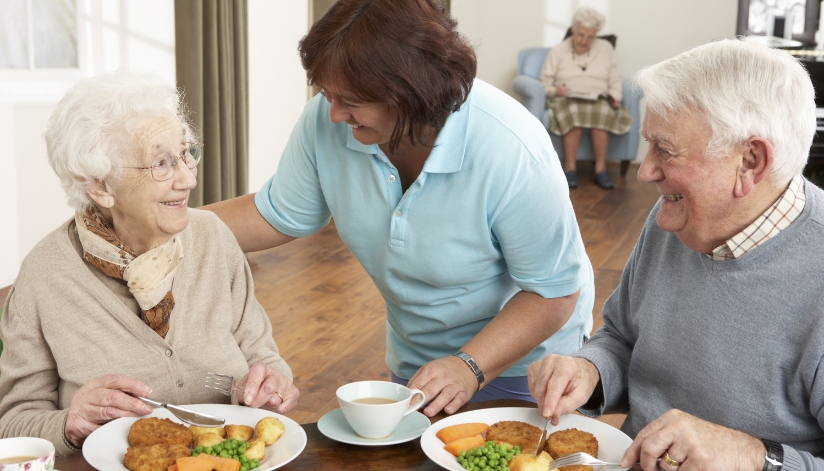
In nursing homes and senior living communities, mealtime is often one of the most social parts of the day. Sitting down together for meals provides residents with opportunities to connect with neighbors, share conversations, and build friendships.
This sense of community can have a positive impact on emotional well-being. Regular social interaction during meals may help reduce feelings of loneliness and isolation while encouraging residents to maintain consistent eating habits.
For many residents, shared meals also provide a sense of routine and structure that helps make each day feel familiar and comfortable.
Supporting Healthy Eating Habits
Healthy eating for seniors involves more than simply offering nutritious foods. It also means creating an environment that encourages residents to enjoy meals and stay engaged.
Some ways care communities support healthy eating include:
- Offering balanced meals with a variety of nutrients
- Providing foods that are easy to chew and swallow when needed
- Encouraging hydration throughout the day
- Creating welcoming dining spaces that promote social interaction
- Offering choices so residents can enjoy foods they prefer
These small details can make a big difference in helping residents maintain healthy eating habits.
Nutrition as Part of Overall Well-Being
During National Nutrition Month, it’s a great reminder that nutrition plays an important role in supporting the health and happiness of older adults. Balanced meals help fuel the body, support mental clarity, and provide opportunities for daily social connection.
For nursing home residents, healthy eating contributes to a better quality of life and helps ensure that each day begins with the energy and nourishment needed to stay active and engaged.
Contact The Neighbors Of Dunn County
For over a century, our legacy has been one of “Generations of Caring since 1892.” If you would like to learn more about our resident-centered neighborhood of homes, skilled nursing, rehabilitation, memory care, or hospice services, please contact The Neighbors of Dunn County. Our team would be honored to answer your questions and help you find the right support for your loved one.